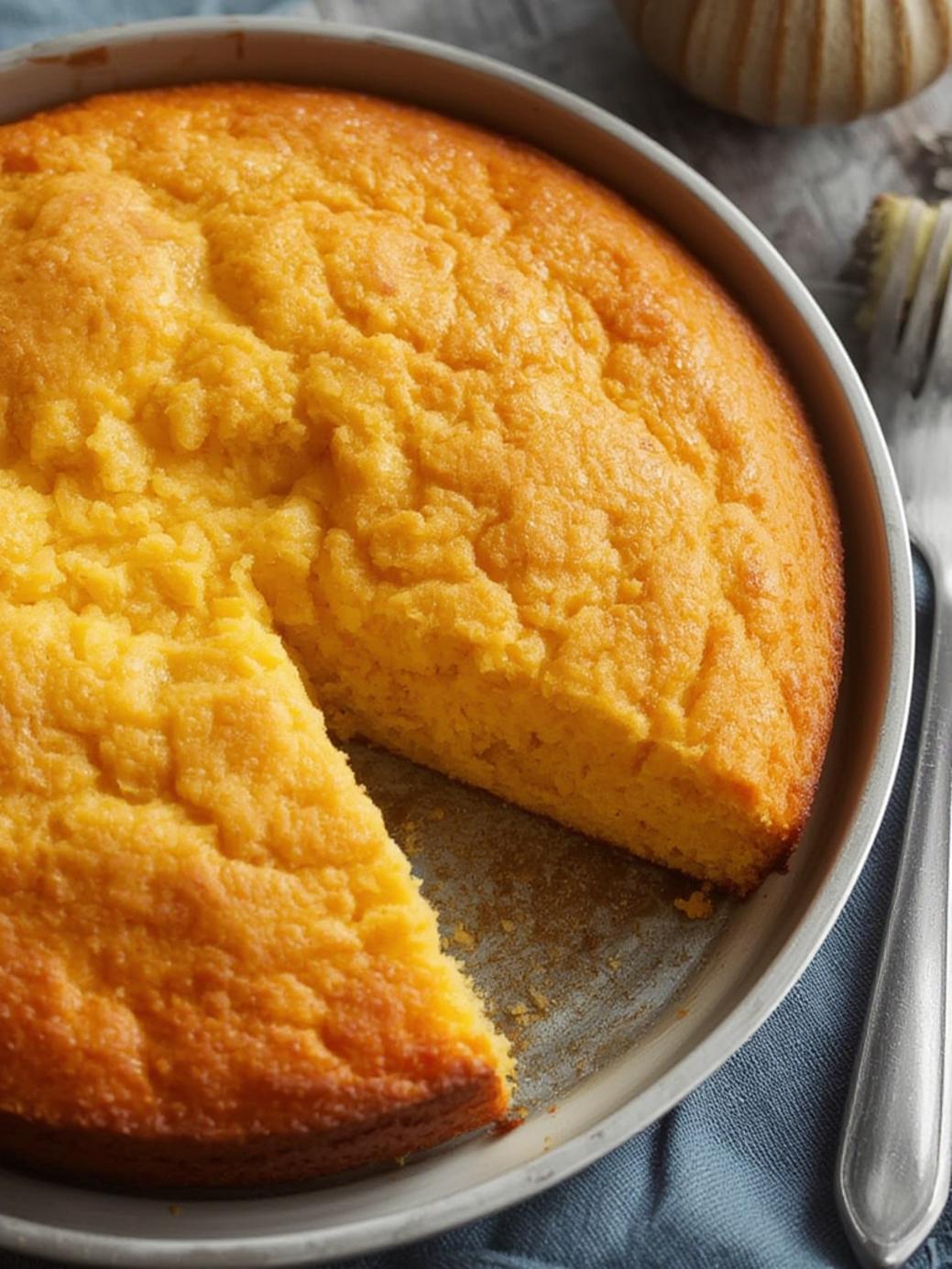
There’s nothing quite like the aroma of freshly baked Buttermilk Cornbread wafting through the kitchen. This Southern classic combines the perfect balance of sweetness and tang, with a tender crumb that melts in your mouth. Whether you’re serving it alongside a hearty bowl of homemade chili or enjoying it as a standalone treat, buttermilk cornbread remains a timeless comfort food that’s surprisingly simple to prepare. The magic of this recipe lies in the buttermilk, which adds moisture and tanginess while creating that distinctive texture that cornbread lovers crave. Let’s dive into how you can create this delicious staple in your own kitchen.
Ingredients & Kitchen Tools for Buttermilk Cornbread
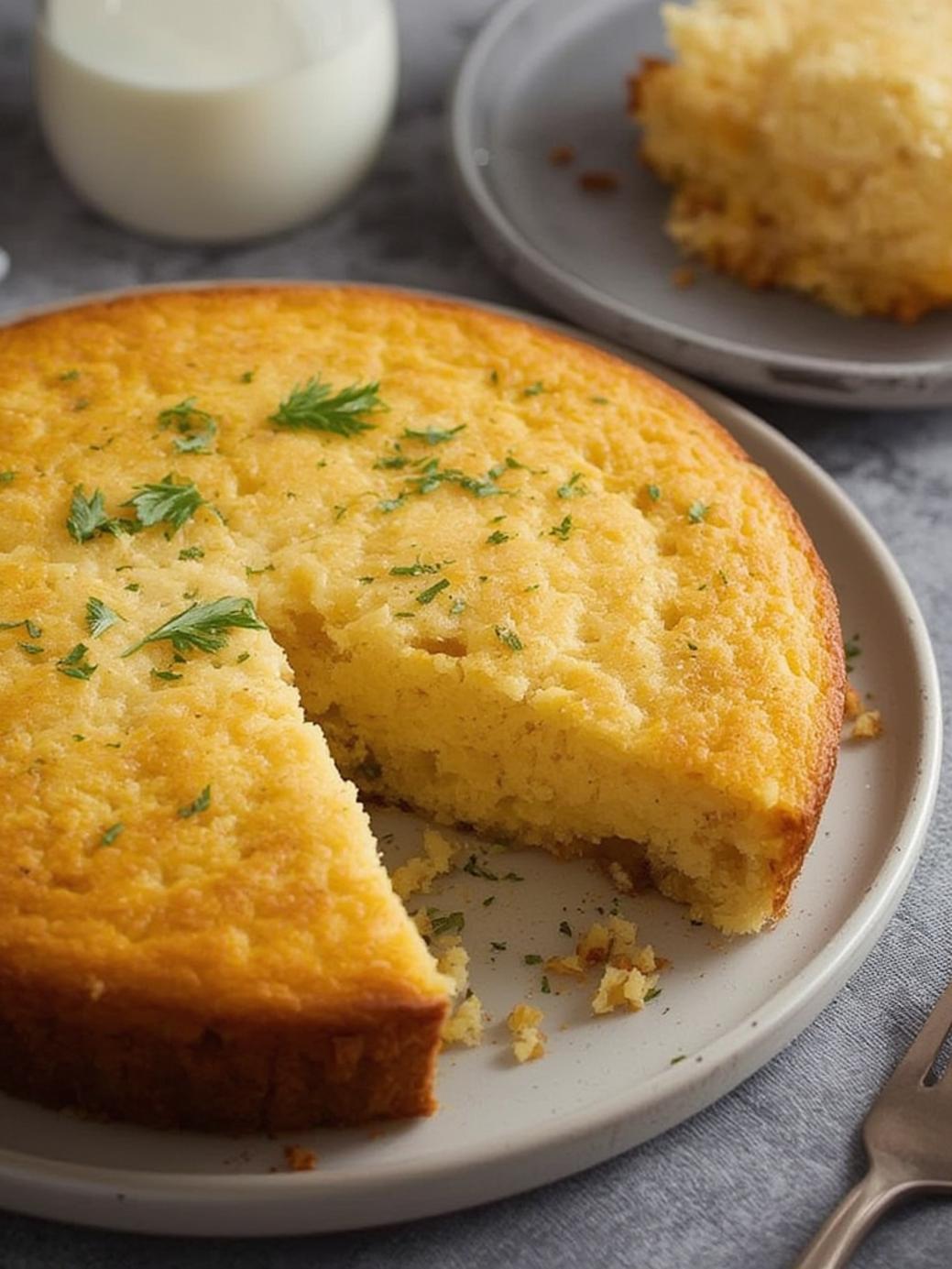
Ingredients:
– 1 cup yellow cornmeal (medium-grind)
– 1 cup all-purpose flour
– 1/4 cup granulated sugar
– 1 tablespoon baking powder
– 1/2 teaspoon baking soda
– 1 teaspoon salt
– 1 cup buttermilk (room temperature)
– 1/3 cup unsalted butter, melted (plus extra for greasing)
– 2 large eggs (room temperature)
– 2 tablespoons honey (optional for added sweetness)
Substitutions:
– No buttermilk? Mix 1 cup of milk with 1 tablespoon of white vinegar or lemon juice
– Replace all-purpose flour with 1:1 gluten-free flour blend if needed
– Substitute honey with maple syrup or agave nectar
Kitchen Tools:
– 9-inch cast iron skillet (preferred) or 8×8-inch baking pan
– Mixing bowls (one for dry ingredients, one for wet)
– Measuring cups and spoons
– Whisk
– Rubber spatula
– Cooling rack
Prep & Cooking Time for a Perfect Buttermilk Cornbread Dish
– Prep Time: 10 minutes
– Preheat Time: 10 minutes
– Cooking Time: 20-25 minutes
– Total Time: 40-45 minutes
– Servings: 8 generous pieces
Step-by-Step Instructions to Make Buttermilk Cornbread Easily
1. Preheat your oven to 400°F (200°C). If using a cast iron skillet, place it in the oven while preheating.
2. Combine dry ingredients in a large bowl: cornmeal, flour, sugar, baking powder, baking soda, and salt. Whisk together thoroughly.
3. Mix wet ingredients in a separate bowl: buttermilk, melted butter, eggs, and honey if using. Beat until well combined.
4. Create a well in the center of your dry ingredients and pour the buttermilk mixture into it. Gently fold everything together until just combined. Be careful not to overmix – a few small lumps are perfectly fine.
5. Prepare your baking vessel by removing the hot skillet from the oven (if using) and adding a tablespoon of butter, swirling to coat the bottom and sides. For a baking pan, simply grease with butter or cooking spray.
6. Pour the batter into your prepared skillet or pan, smoothing the top with a spatula.
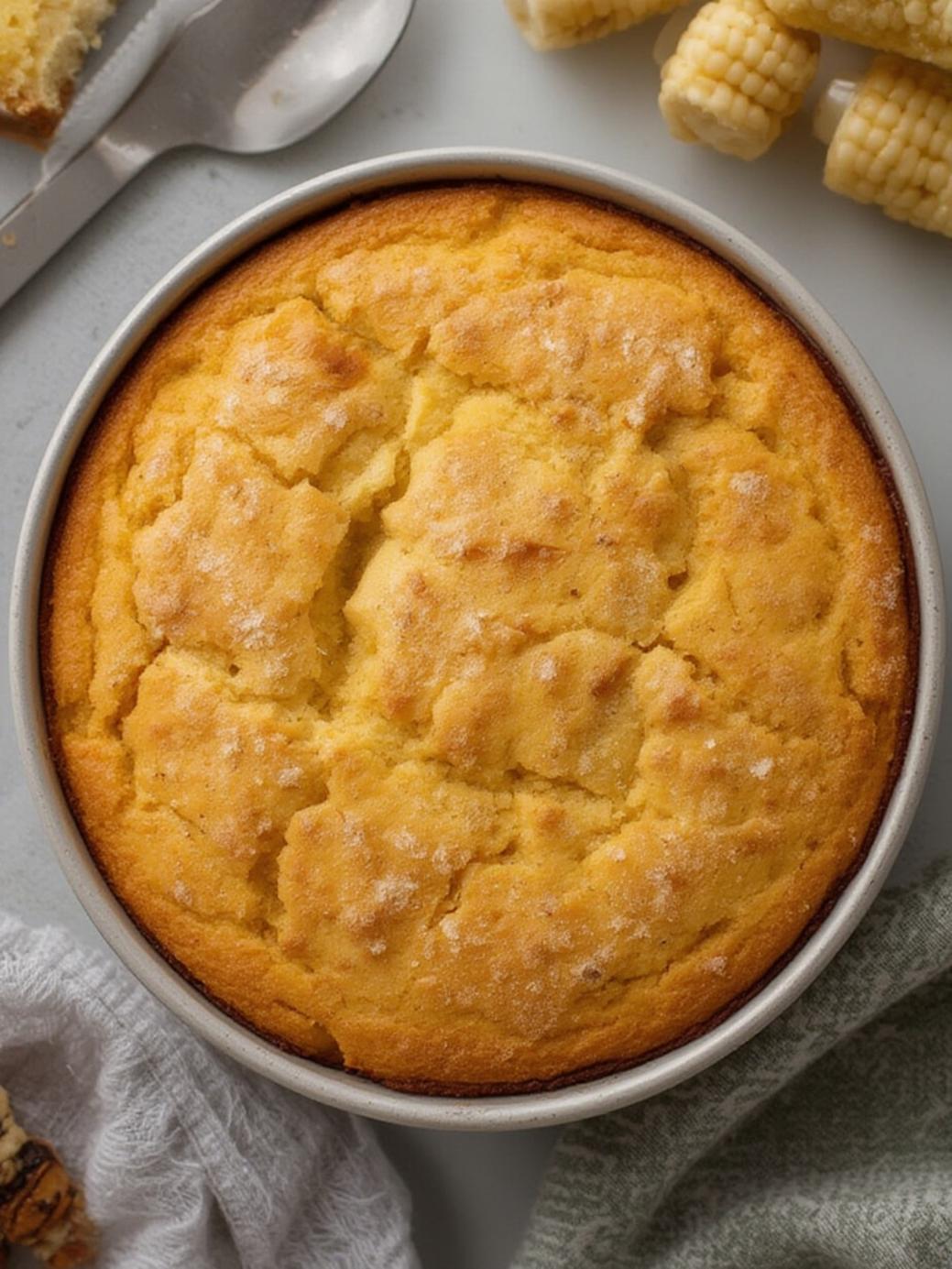
7. Bake for 20-25 minutes until the top is golden brown and a toothpick inserted in the center comes out clean. Your Buttermilk Cornbread pairs beautifully with homemade chili, creating a complete comfort food experience.
Nutritional Benefits of This Buttermilk Cornbread Recipe
This cornbread provides a good source of complex carbohydrates from the cornmeal. Eggs contribute high-quality protein and essential vitamins, while buttermilk offers calcium and probiotics. When made with whole-grain cornmeal, you’ll benefit from additional fiber and minerals. While not a low-calorie food, in moderation, cornbread can be part of a balanced diet, especially when paired with protein-rich dishes.
Variations, Substitutions & Cooking Tips for Buttermilk Cornbread Lovers
– Sweet Additions: Fold in 1/2 cup corn kernels, 1/4 cup diced jalapeños, or 1/2 cup shredded cheddar cheese
– Herb Infusions: Add 1 tablespoon fresh chopped rosemary, thyme, or chives
– Healthier Option: Reduce sugar to 2 tablespoons and substitute half the flour with whole wheat flour
– Dairy-Free Version: Use plant-based milk with 1 tablespoon vinegar and vegan butter alternative
Common Mistakes to Avoid When Preparing Buttermilk Cornbread
1. Overmixing the batter – this develops gluten and creates tough cornbread
2. Using cold ingredients – room temperature eggs and buttermilk blend more smoothly
3. Opening the oven door too early – causes uneven rising and potential collapse
4. Not preheating your skillet – the hot skillet creates that desirable crisp bottom crust
Storage & Reheating Tips to Keep Your Buttermilk Cornbread Fresh
Store leftover cornbread in an airtight container at room temperature for up to 2 days or refrigerate for up to 5 days. For longer storage, wrap individual pieces in plastic wrap and freeze for up to 3 months. Reheat refrigerated cornbread in a 350°F oven for 5-7 minutes or microwave for 20-30 seconds. For frozen pieces, thaw overnight before reheating.
Conclusion: Final Thoughts on Making Buttermilk Cornbread at Home
Mastering Buttermilk Cornbread at home is a culinary skill worth developing. The contrast between the crispy edges and tender interior creates an irresistible texture that elevates any meal. Remember that the best cornbread achieves balance – not too dry, not too sweet, with just enough tang from the buttermilk. Serve it alongside your favorite homemade chili or stew, or enjoy it with a simple spread of honey butter for a satisfying treat. With this recipe in your repertoire, you’ll always have a crowd-pleasing side dish ready to impress.
FAQs About Cooking Buttermilk Cornbread
Can I make buttermilk cornbread without a cast iron skillet?
Yes! While cast iron creates an excellent crust, you can use any 8×8-inch baking pan or even a muffin tin (reduce baking time to 15-18 minutes for muffins).
Why is my cornbread crumbly?
Crumbly cornbread usually results from too much cornmeal or too little binding agent. Make sure you’re measuring ingredients correctly and not reducing the eggs or fat content.
Is cornbread better with or without sugar?
This depends on regional preference. Southern-style cornbread traditionally contains little to no sugar, while Northern-style includes more sweetness. Adjust to your taste preference.
Can I prepare the batter ahead of time?
It’s best to bake cornbread immediately after mixing, as the leavening agents activate once combined with liquid. However, you can mix dry ingredients ahead of time and add wet ingredients just before baking.
Why does my cornbread stick to the pan?
Ensure your pan is well-greased with butter or oil. For cast iron skillets, proper seasoning is key to preventing sticking.
Have You Tried Our Recipe?
There are no reviews yet. Be the first one to write one.