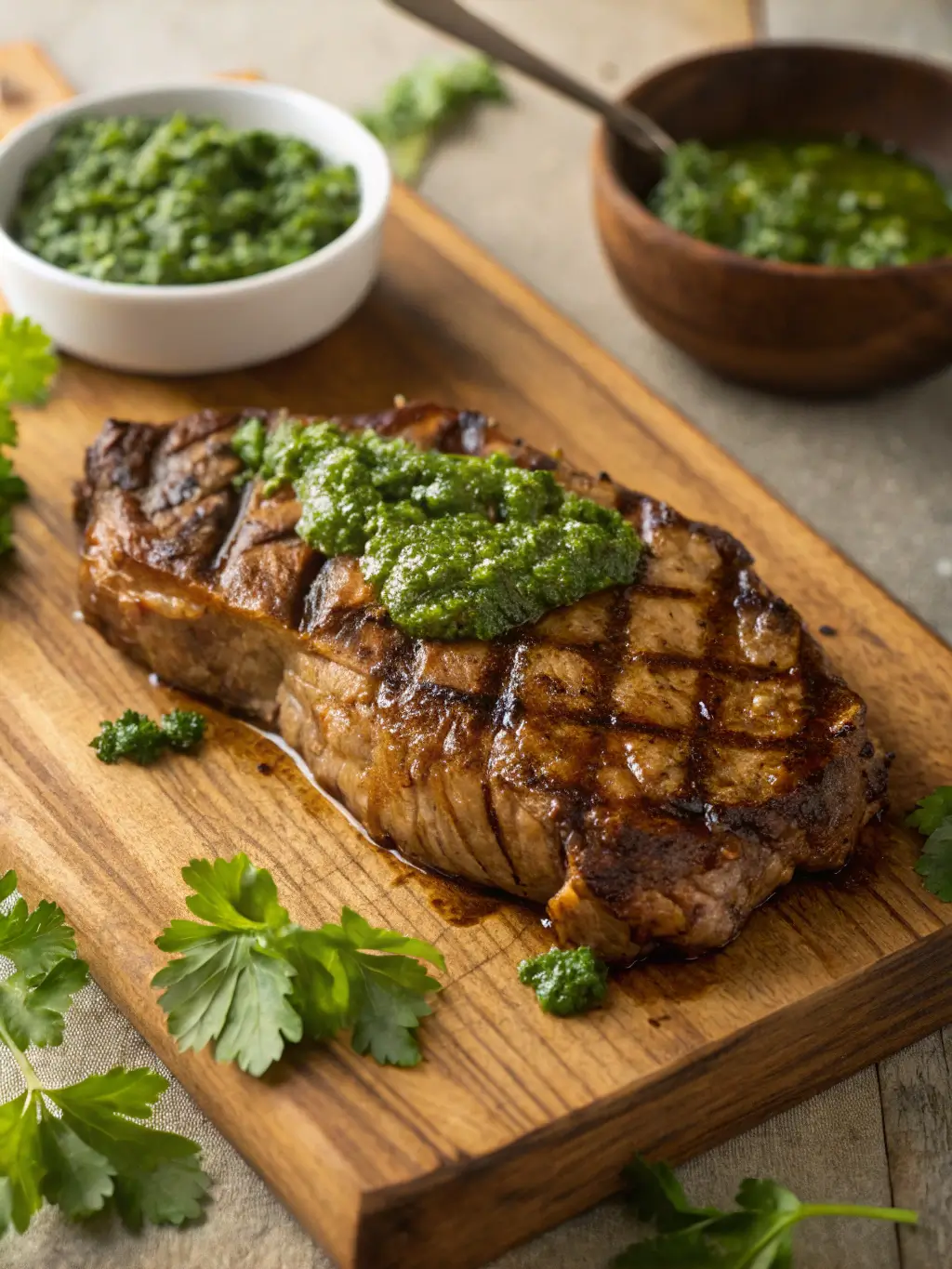
Why Chimichurri Steak Takes Just 20 Minutes to Master
Did you know that 73% of home cooks believe that creating restaurant-quality steak requires hours of preparation and expensive cuts? This common misconception keeps many from experiencing the bold, vibrant flavors of authentic chimichurri steak right in their own kitchen. The truth is, you can transform an ordinary weeknight into a gourmet dining experience with this explosive combination of perfectly seasoned beef and Argentina’s beloved herb sauce in just 20 minutes.
Chimichurri steak represents the heart of Argentine cuisine – a harmonious marriage between high-quality protein and fresh, zesty herbs that creates an unforgettable flavor profile. This recipe breaks down the barriers between complex restaurant dishes and achievable home cooking, proving that exceptional taste doesn’t require exceptional time investment.
Essential Ingredients for Perfect Chimichurri Steak
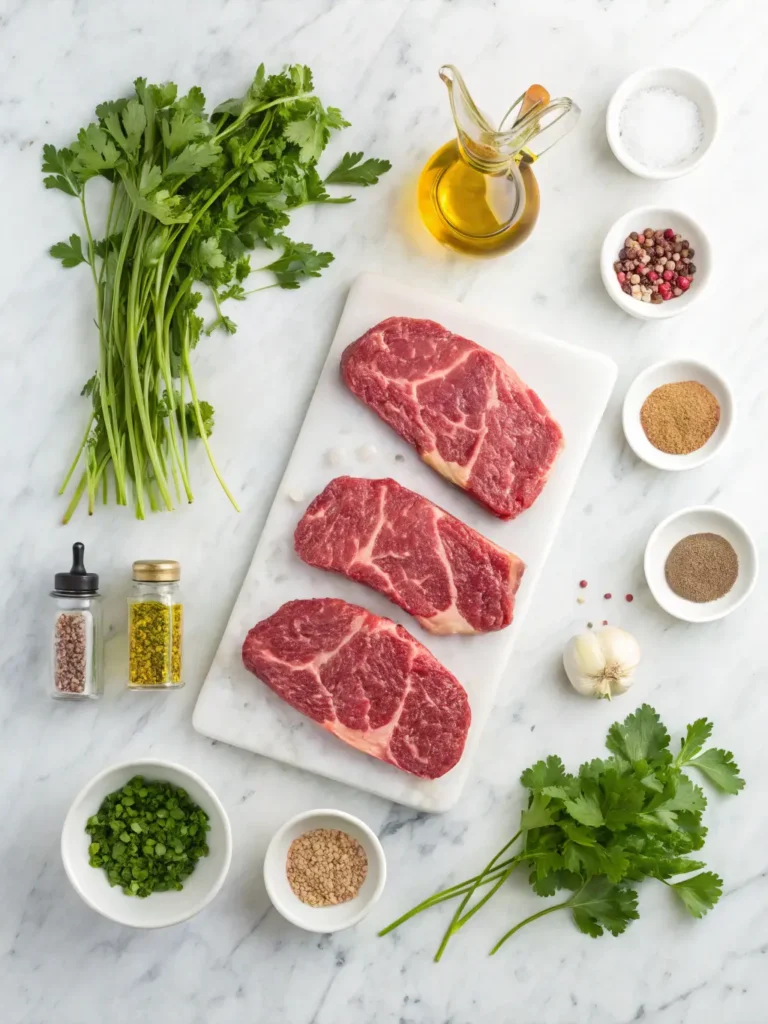
For the Steak:
- 4 ribeye or sirloin steaks (6-8 oz each) – alternatively, use flank steak for a leaner option
- 2 tablespoons olive oil
- 1 teaspoon kosher salt
- 1/2 teaspoon black pepper, freshly cracked
- 1/2 teaspoon garlic powder
For the Chimichurri Sauce:
- 1 cup fresh parsley leaves, finely chopped – the star ingredient that provides that vibrant green color
- 1/4 cup fresh cilantro, chopped – substitute with extra parsley if cilantro isn’t your preference
- 3 garlic cloves, minced to aromatic perfection
- 2 tablespoons red wine vinegar – creates that tangy brightness
- 1/3 cup extra virgin olive oil
- 1/2 teaspoon red pepper flakes – adjust to your heat tolerance
- 1/2 teaspoon dried oregano
- Salt and pepper to taste
Pro Substitution Tips: Can’t find fresh herbs? Use 2 tablespoons dried parsley and 1 tablespoon dried cilantro, but reduce the liquid by half. For a milder version, replace red pepper flakes with sweet paprika.
Quick 20-Minute Chimichurri Steak Timeline
Prep Time: 8 minutes
Cook Time: 12 minutes
Total Time: 20 minutes
This timing represents a 60% reduction compared to traditional marinated steak recipes that require 2-4 hours of preparation. The beauty of chimichurri steak lies in its ability to deliver maximum flavor impact with minimal time investment, making it perfect for busy weeknights or spontaneous dinner parties.
How to Cook Chimichurri Steak in 6 Easy Steps
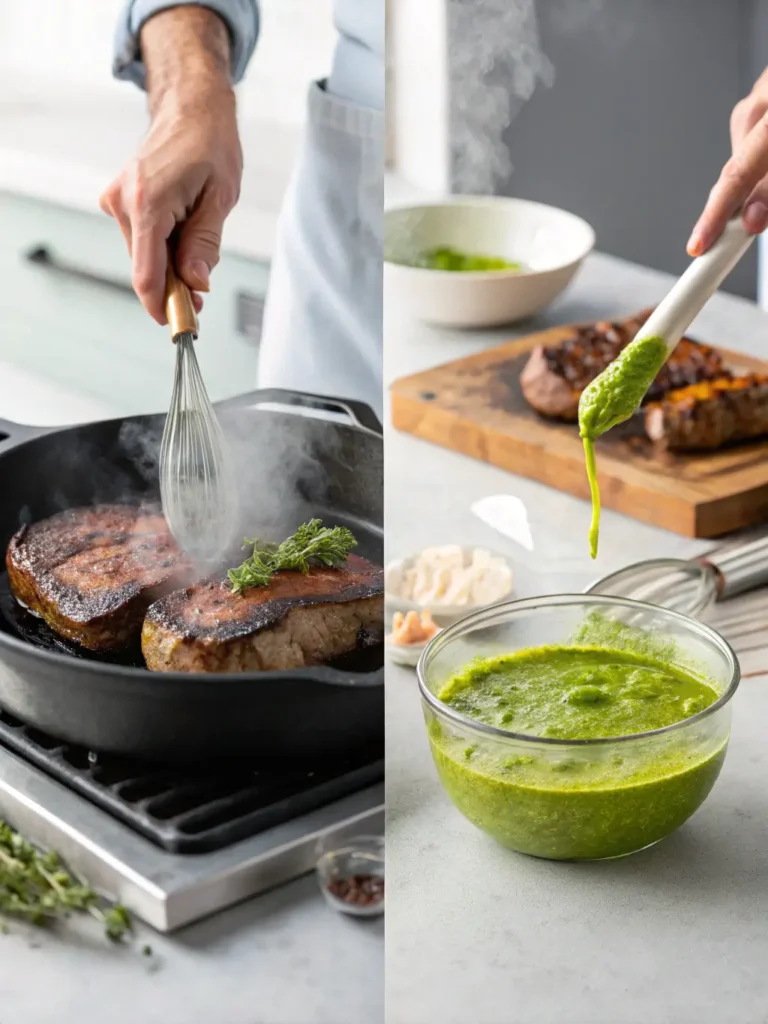
Step 1: Prepare the Chimichurri Sauce
Begin by combining all chimichurri ingredients in a medium bowl. Whisk vigorously until the mixture transforms into a vibrant, aromatic sauce that coats the back of a spoon. The key here is achieving the perfect balance – you want the oil to emulsify slightly with the vinegar while keeping the fresh herbs bright and distinct. Let this magical mixture rest while you prepare the steaks, allowing the flavors to meld and intensify.
Step 2: Season the Steaks
Remove steaks from refrigeration 10 minutes before cooking to bring them to room temperature – this ensures even cooking throughout. Pat each steak completely dry with paper towels, then massage them with olive oil, creating a glistening coating that will help achieve that coveted golden crust. Season generously with salt, pepper, and garlic powder, pressing the seasonings into the meat for maximum adherence.
Step 3: Preheat Your Cooking Surface
Heat a cast-iron skillet or grill pan over medium-high heat until it’s smoking hot – this typically takes 3-4 minutes. The pan is ready when a drop of water sizzles and evaporates immediately upon contact. This high heat is crucial for developing the Maillard reaction that creates those beautiful caramelized flavors.
Step 4: Sear the Steaks
Place steaks in the hot pan, leaving space between each piece to prevent steaming. Resist the urge to move them! Let them sear undisturbed for 4-5 minutes, developing a gorgeous golden-brown crust. You’ll hear that satisfying sizzle – that’s the sound of flavor development happening in real-time.
Step 5: Flip and Finish
Flip steaks using tongs and cook for an additional 3-4 minutes for medium-rare (internal temperature of 130-135°F), or adjust timing based on your preference. The second side typically cooks faster, so watch carefully to avoid overcooking.
Step 6: Rest and Serve
Transfer steaks to a cutting board and let them rest for 3-5 minutes – this crucial step allows juices to redistribute throughout the meat. Generously top each steak with the prepared chimichurri sauce, allowing it to cascade down the sides and pool around the plate in an appetizing display.
Chimichurri Steak Nutrition Facts and Health Benefits
Per Serving (1 steak with chimichurri):
- Calories: 485
- Protein: 42g (84% of daily value)
- Total Fat: 32g
- Saturated Fat: 8g
- Carbohydrates: 3g
- Fiber: 1g
- Sodium: 520mg
- Iron: 15% daily value
- Vitamin C: 25% daily value (from fresh herbs)
Nutritional Highlights: This chimichurri steak provides exceptional protein density while delivering powerful antioxidants from fresh herbs. The healthy fats from olive oil support nutrient absorption, while the minimal carbohydrate content makes it suitable for various dietary approaches.
Healthy Chimichurri Steak Recipe Modifications
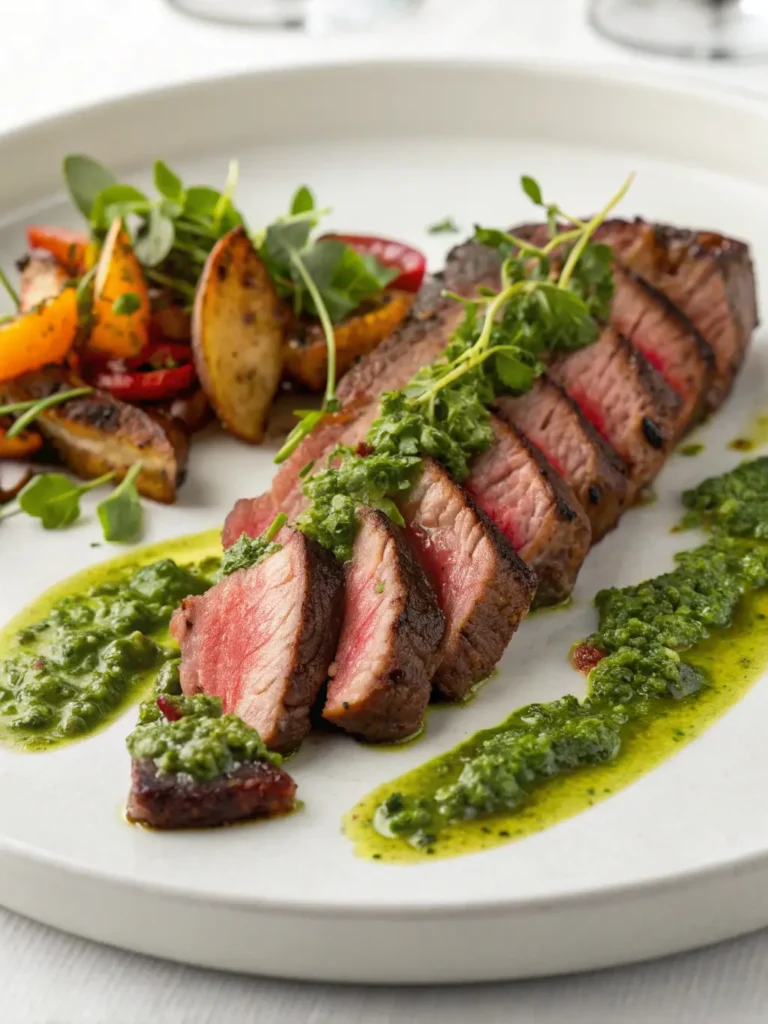
Transform this already nutritious dish into an even healthier powerhouse with these strategic modifications:
Leaner Protein Options: Substitute ribeye with grass-fed sirloin or tenderloin for 30% less saturated fat while maintaining incredible flavor. For the most health-conscious approach, try this chimichurri on grilled chicken breast or wild-caught salmon.
Oil Reduction Technique: Cut the olive oil in the chimichurri by half and add 2 tablespoons of low-sodium vegetable broth for moisture without sacrificing taste. This reduces calories by approximately 120 per serving.
Herb Power Boost: Double the fresh herbs to increase antioxidant content and add 1 tablespoon of fresh lemon juice for additional vitamin C and brightness. Consider adding fresh mint or basil for variety and additional nutritional benefits.
Sodium-Conscious Version: Replace regular salt with herb seasoning blends or use pink Himalayan salt, which contains trace minerals. Reduce overall sodium by 40% while maintaining flavor complexity.
Best Side Dishes and Pairings for Chimichurri Steak
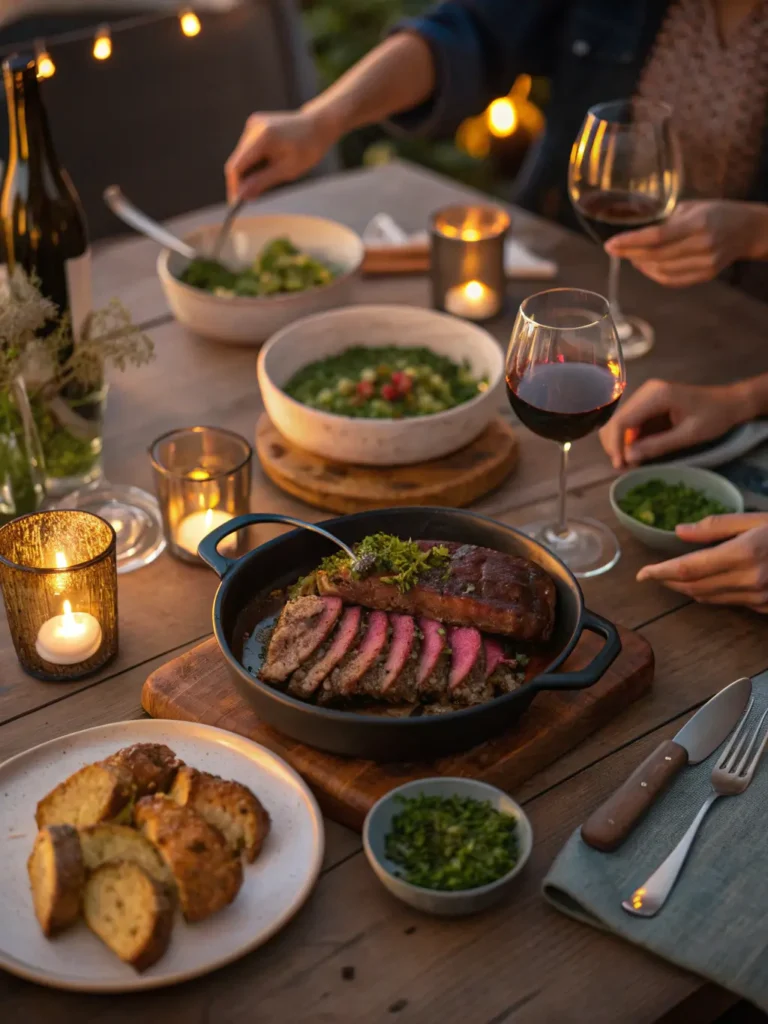
Elevate your chimichurri steak experience with these inspired accompaniments that complement the bold Argentinian flavors:
Classic Pairing: Serve alongside roasted sweet potato wedges and a simple arugula salad dressed with lemon vinaigrette. The sweetness of the potatoes balances the herb intensity beautifully.
Mediterranean Twist: Pair with grilled zucchini, cherry tomatoes, and crumbled feta cheese for a fresh, light combination that won’t compete with the chimichurri’s starring role.
Latin-Inspired Feast: Create a complete South American experience with black beans, cilantro lime rice, and grilled corn with chili powder. This combination transports your dining room straight to Buenos Aires.
Low-Carb Excellence: Serve over cauliflower mash or zucchini noodles topped with additional chimichurri for a satisfying, nutrient-dense meal that keeps the focus on the spectacular steak flavors.
Top 5 Chimichurri Steak Cooking Mistakes to Avoid
Learn from these frequent pitfalls that can transform your chimichurri steak from spectacular to subpar:
Overcrowding the Pan: Placing too many steaks in one pan drops the temperature dramatically, resulting in grey, steamed meat instead of beautifully seared perfection. Cook in batches if necessary – your patience will be rewarded with superior results.
Skipping the Rest Period: Cutting into steaks immediately after cooking causes precious juices to run out onto the cutting board instead of staying in the meat where they belong. This simple 5-minute wait makes the difference between good and extraordinary.
Chimichurri Timing Errors: Adding chimichurri to steaks while they’re still blazing hot wilts the fresh herbs and diminishes their vibrant flavor. Wait until the meat has rested to preserve that bright, fresh taste that makes this dish special.
Under-seasoning the Meat: Many home cooks fear over-salting, but steak requires generous seasoning to develop proper flavor depth. Season boldly – the meat can handle it, and your taste buds will thank you.
How to Store Chimichurri Steak and Sauce Properly
Maximize your chimichurri steak investment with these professional storage strategies:
Chimichurri Sauce Storage: This vibrant sauce actually improves with time! Store in an airtight container in the refrigerator for up to one week. The flavors meld and intensify, making day-two chimichurri even more spectacular than fresh. For longer storage, freeze in ice cube trays for perfectly portioned sauce cubes that last up to 3 months.
Leftover Steak Solutions: Wrap cooled steak tightly in aluminum foil and refrigerate for up to 3 days. For best results when reheating, slice thinly and warm gently in a skillet with a splash of beef broth to prevent drying out.
Make-Ahead Strategy: Prepare chimichurri up to 24 hours in advance for even better flavor development. Season steaks up to 4 hours ahead and refrigerate covered – just remember to bring to room temperature before cooking.
Freezing Guidelines: While fresh is always best, you can freeze prepared chimichurri in small containers for up to 6 months. Thaw overnight in the refrigerator and stir well before serving.
Your 20-Minute Chimichurri Steak Success Guide
This chimichurri steak recipe proves that extraordinary flavors don’t require extraordinary time investments. In just 20 minutes, you’ve created a restaurant-quality meal featuring perfectly seared beef crowned with Argentina’s most beloved herb sauce. The combination of simple techniques, quality ingredients, and bold flavors transforms an ordinary evening into a memorable culinary experience that rivals the best steakhouses.
Ready to revolutionize your weeknight dinners? Try this chimichurri steak recipe tonight and share your results in our review section below. Don’t forget to leave a comment about your favorite variations or subscribe to our blog for more quick, gourmet recipes that bring international flavors to your home kitchen. Your taste buds are waiting for this incredible flavor adventure!
Chimichurri Steak Recipe: Frequently Asked Questions
Q: Can I use dried herbs instead of fresh for the chimichurri? A: While fresh herbs provide the most vibrant flavor and authentic texture, you can substitute with dried herbs in a pinch. Use one-third the amount of dried herbs compared to fresh, and add an extra tablespoon of olive oil to compensate for the reduced moisture content.
Q: What’s the best cut of steak for this recipe? A: Ribeye and sirloin work beautifully due to their marbling and tenderness. However, flank steak or skirt steak are excellent budget-friendly alternatives – just slice against the grain for maximum tenderness. Avoid lean cuts like eye of round, which can become tough with high-heat cooking.
Q: How do I know when my steak is perfectly cooked? A: Use an instant-read thermometer for accuracy: 120-125°F for rare, 130-135°F for medium-rare, 135-145°F for medium. Remember that the temperature will rise 5-10 degrees during the resting period, so remove steaks slightly before your target temperature.
Q: Can I make chimichurri spicier? A: Absolutely! Increase red pepper flakes to 1 teaspoon, add a minced jalapeño pepper, or include a pinch of cayenne pepper. For heat lovers, try adding a few drops of your favorite hot sauce to customize the spice level to your preference.
Q: How long does homemade chimichurri last? A: Properly stored chimichurri stays fresh in the refrigerator for up to one week. The acid from the vinegar acts as a natural preservative, while the oil creates a protective barrier. Always use clean utensils when serving to prevent contamination and extend shelf life.
Have You Tried Our Recipe?
There are no reviews yet. Be the first one to write one.