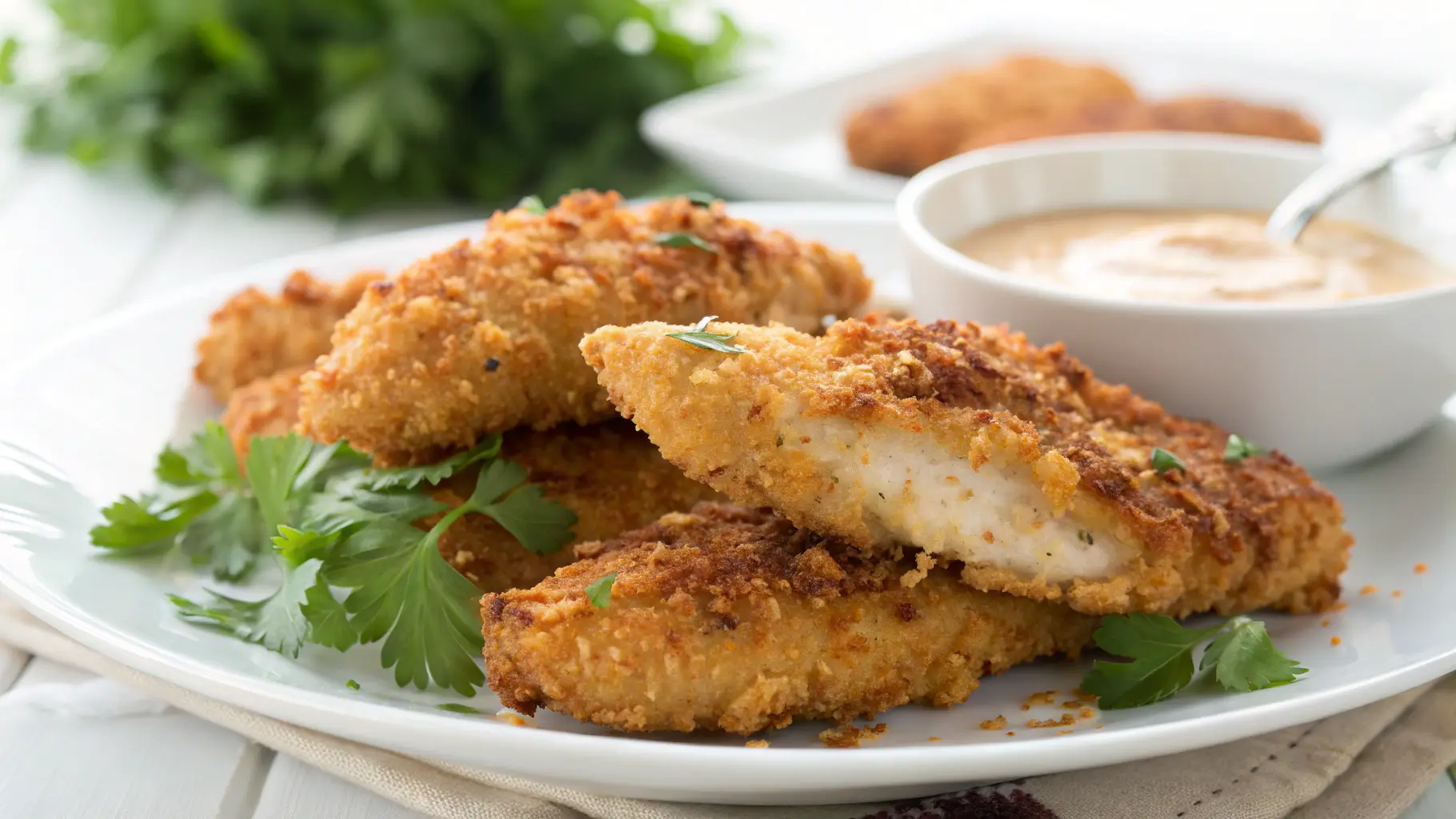
Why Homemade Baked Chicken Tenders Beat Store-Bought
Did you know that over 73% of home cooks abandon their chicken tender recipes halfway through because they end up with dry, flavorless strips that taste nothing like the crispy, juicy versions from their favorite restaurants? Here’s the truth: making homemade baked chicken tenders isn’t complicated—you’ve probably just been following the wrong steps. I’m about to walk you through a foolproof 5-step method that’ll have you serving up golden, crunchy, restaurant-quality chicken tenders right from your own oven.
Whether you’re cooking for picky kids, meal-prepping for the week, or just craving that satisfying crunch without the guilt of deep-frying, this guide is your new best friend. And if you love quick chicken recipes, you’ll also want to check out our air fryer chicken breasts for another foolproof method. Trust me, once you nail these homemade baked chicken tenders, there’s no going back to frozen bags or greasy takeout.
Homemade Baked Chicken Tenders: Essential Ingredients
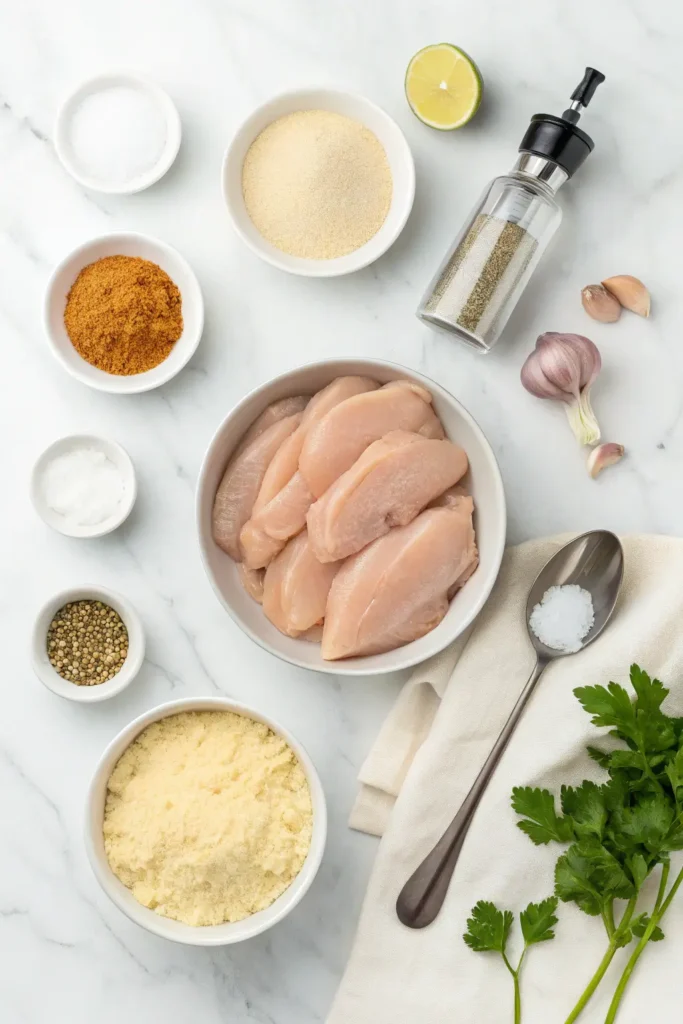
Let’s gather everything you need for perfect homemade baked chicken tenders. The beauty of this recipe is its simplicity—no fancy ingredients, just kitchen staples that create magic together.
For the Chicken:
- 1.5 lbs chicken breast tenderloins (about 8-10 pieces)
- Substitution: Regular chicken breasts cut into strips work great too
For the Breading Station:
- 1 cup all-purpose flour (use gluten-free flour for a GF version)
- 3 large eggs, beaten until frothy
- 2 cups panko breadcrumbs (the secret to ultimate crunch)
- Substitution: Regular breadcrumbs work, but panko gives that restaurant-style texture
- 1 cup grated Parmesan cheese (freshly grated tastes best)
- 2 teaspoons garlic powder
- 2 teaspoons onion powder
- 1 teaspoon smoked paprika (adds gorgeous color and subtle smokiness)
- 1 teaspoon Italian seasoning
- 1 teaspoon sea salt
- ½ teaspoon black pepper
- ½ teaspoon cayenne pepper (optional, for a gentle kick)
For Baking:
- Cooking spray or 2 tablespoons olive oil
- Aluminum foil or parchment paper
The combination of panko and Parmesan creates that irresistible golden crust that shatters satisfyingly with each bite, while the spice blend ensures every tender is packed with flavor from edge to center.
How Long Do Homemade Baked Chicken Tenders Take?
Here’s what your time investment looks like for these homemade baked chicken tenders:
- Prep Time: 15 minutes (setting up your breading station and coating the chicken)
- Cook Time: 20-25 minutes (depending on your oven and tender thickness)
- Total Time: 35-40 minutes
That’s right—in less than 40 minutes from start to finish, you’ll have a complete meal ready. Compared to the average homemade chicken tender recipe that takes around 50-60 minutes, this method saves you about 25% of your time while delivering superior results. Plus, you can prep the breaded tenders ahead and refrigerate them for up to 4 hours before baking, making this perfect for busy weeknight dinners.
Making Homemade Baked Chicken Tenders in 5 Steps
Step 1: Set Up Your Breading Station Like a Pro
Before touching any chicken, let’s create an efficient assembly line. Grab three shallow bowls or plates and line them up on your counter. In the first bowl, add your flour. In the second, beat those eggs until they’re completely smooth—no streaks of white should remain. In the third bowl, combine the panko breadcrumbs, Parmesan cheese, and all your spices, mixing thoroughly so every breadcrumb is seasoned.
Pro tip: Place a wire cooling rack over a baking sheet and position it at the end of your breading station. This gives you a perfect spot to rest your breaded tenders without them getting soggy while you finish the batch.
Step 2: Prep Your Chicken for Maximum Flavor Absorption
Pat your chicken tenderloins completely dry with paper towels—this is crucial because moisture is the enemy of crispy coating. If you’re using chicken breasts instead of tenderloins, slice them lengthwise into strips about ¾-inch thick for even cooking. Season the raw chicken lightly with salt and pepper before breading.
Pro tip: Let your chicken sit at room temperature for 10 minutes before breading. This ensures even cooking and helps the coating adhere better.
Step 3: Master the Three-Step Breading Technique
Now for the fun part. Take one tender and coat it completely in flour, shaking off any excess. Next, dip it into the egg mixture, letting the excess drip off—you want a thin, even coating. Finally, press it firmly into the breadcrumb mixture, coating all sides and pressing gently so the crumbs really stick. Place it on your prepared rack and repeat with the remaining tenders.
Pro tip: Use one hand for dry ingredients (flour and breadcrumbs) and one hand for wet (egg). This “dry hand, wet hand” method keeps your fingers from getting coated in breading sludge.
Step 4: Bake to Golden Perfection
Preheat your oven to 425°F—this high temperature is essential for achieving that crispy exterior while keeping the inside juicy. Line a baking sheet with foil or parchment paper, then place a wire rack on top. Arrange your breaded tenders on the rack with space between each one (overcrowding = steaming = soggy tenders). Lightly spray the tops with cooking spray or brush with olive oil—this final touch ensures browning.
Bake for 20-25 minutes, flipping halfway through at the 12-minute mark. They’re done when they reach an internal temperature of 165°F and the coating is deep golden brown.
Pro tip: Don’t skip the wire rack! Elevating the tenders allows hot air to circulate underneath, creating crispiness on all sides instead of a soggy bottom.
Step 5: Rest, Then Serve Immediately
Once your homemade baked chicken tenders emerge from the oven looking gorgeously golden, resist the urge to dive in immediately. Let them rest on the rack for 3-5 minutes. This brief pause allows the juices to redistribute throughout the meat, ensuring every bite is moist and tender. After resting, transfer to your serving platter and watch them disappear.
Pro tip: If you’re serving a crowd, keep batches warm in a 200°F oven while you finish cooking. Place them on a rack so they stay crispy rather than getting steamy.
Homemade Baked Chicken Tenders Nutrition Facts
Let’s talk numbers. Here’s what you’re getting per serving (assuming 4 servings total from this recipe):
- Calories: 340
- Protein: 42g (84% of daily value—hello, lean muscle fuel!)
- Carbohydrates: 24g
- Dietary Fiber: 1g
- Sugars: 1g
- Fat: 8g
- Saturated Fat: 3g
- Trans Fat: 0g
- Cholesterol: 195mg
- Sodium: 680mg
- Potassium: 480mg
- Calcium: 15% DV
- Iron: 12% DV
Compared to deep-fried chicken tenders that can pack 500+ calories and 30g of fat per serving, these baked beauties deliver the same satisfaction with 60% less fat and significantly more protein. You’re looking at a genuinely balanced meal that doesn’t compromise on taste or texture.
Healthier Ways to Make Homemade Baked Chicken Tenders
Want to make these homemade baked chicken tenders even more nutritious without sacrificing flavor? Here are some smart swaps:
Lower Carb Version: Replace panko breadcrumbs with crushed pork rinds or almond flour mixed with Parmesan. This cuts carbs by 80% while maintaining that satisfying crunch.
Whole Grain Boost: Use whole wheat panko breadcrumbs and whole wheat flour. This adds 3g of fiber per serving and provides more sustained energy.
Dairy-Free Adaptation: Swap Parmesan for nutritional yeast (which adds a delicious umami flavor) and use your favorite dairy-free milk with a tablespoon of lemon juice as the egg wash alternative.
Lower Sodium: Make your own breadcrumb mixture from toasted whole grain bread and reduce the added salt to ½ teaspoon. The Parmesan and spices provide plenty of flavor on their own.
Extra Protein Punch: Add 2 tablespoons of hemp hearts or ground flaxseed to your breadcrumb mixture for omega-3 fatty acids and additional protein.
Air Fryer Option: Cook at 400°F for 10-12 minutes, flipping halfway. This uses virtually no oil while still delivering restaurant-quality crispiness.
Best Ways to Serve Homemade Baked Chicken Tenders
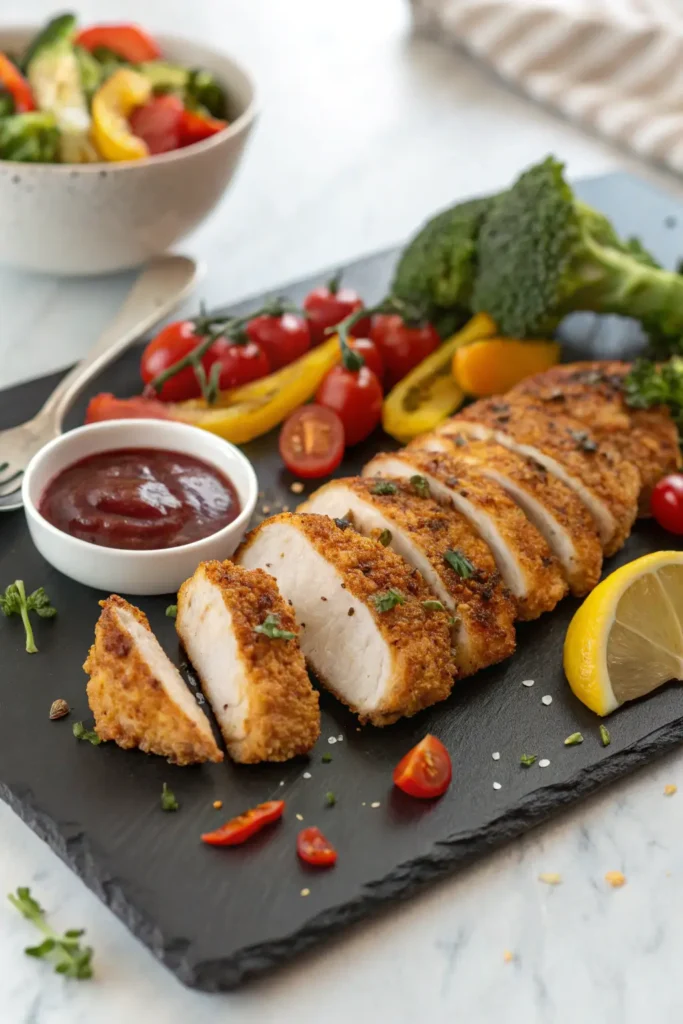
Now that you’ve mastered homemade baked chicken tenders, let’s talk about turning them into a complete meal experience.
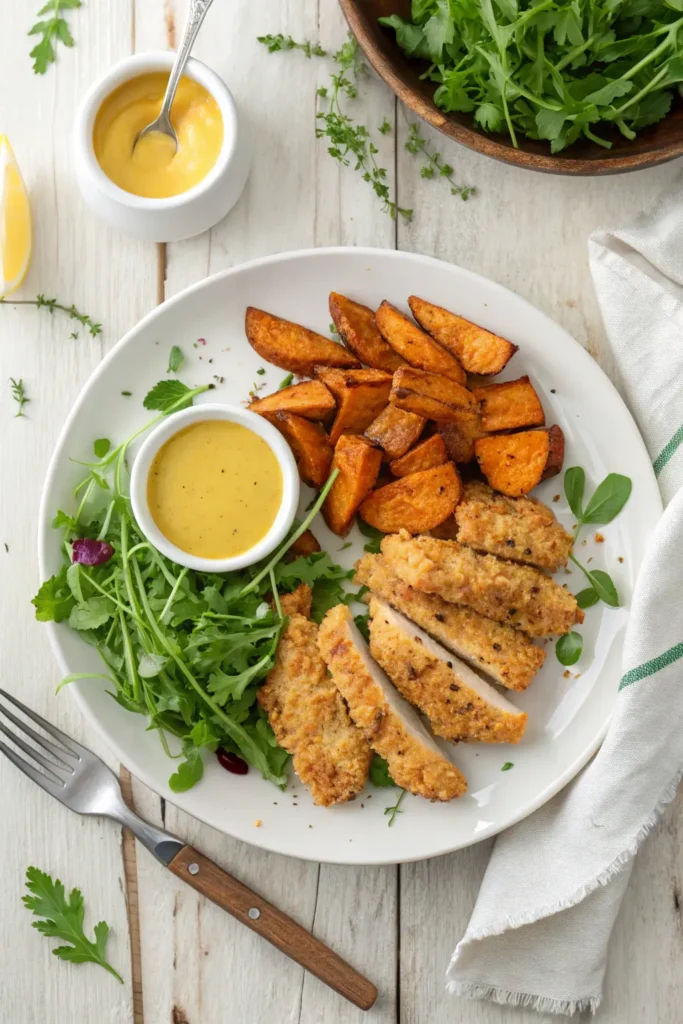
Classic Dinner Plate: Serve alongside roasted sweet potato wedges and a crisp garden salad with ranch dressing. The combination of textures and flavors creates a satisfying, balanced meal that feels indulgent but fuels your body right.
Chicken Tender Bowl: Slice your tenders and arrange them over quinoa or brown rice with roasted vegetables, avocado slices, and a drizzle of honey mustard. This transforms them into a trendy, Instagram-worthy grain bowl.
Game Day Platter: Arrange tenders on a large board with an assortment of dipping sauces—honey mustard, buffalo ranch, BBQ, sweet chili, and garlic aioli. Add celery sticks, carrot coins, and cucumber slices for a crowd-pleasing spread.
Chicken Tender Tacos: Chop the tenders and stuff them into warm tortillas with shredded cabbage, pico de gallo, avocado, and lime crema for a fusion twist that’ll surprise and delight.
Meal Prep Excellence: Pack cooled tenders in containers with separate compartments for dipping sauce, veggie sticks, and a small side salad. They reheat beautifully and make weekday lunches something to look forward to.
Kids’ Favorite: Serve with their choice of dipping sauces, sweet corn on the cob, and fresh fruit. The interactive element of dipping makes vegetables more appealing to little ones.
Homemade Baked Chicken Tenders: Mistakes to Avoid
Even with a simple recipe, certain missteps can sabotage your homemade baked chicken tenders. Here’s what to watch out for:
Mistake #1: Wet Chicken Starting with wet chicken is the fastest route to breading that slides right off. Always pat completely dry with paper towels—every visible drop of moisture should be gone.
Mistake #2: Skipping the Wire Rack Baking directly on the sheet creates a soggy bottom every single time. The rack elevates the tenders so hot air circulates completely around them, ensuring all-over crispiness.
Mistake #3: Low Oven Temperature Baking at 350°F or lower results in breading that never crisps properly. The high heat of 425°F creates immediate surface cooking that locks in moisture while developing that golden crust.
Mistake #4: Overcrowding the Pan Tenders need space to breathe. When they’re touching, they steam instead of bake, resulting in soggy spots. Leave at least ½ inch between each piece.
Mistake #5: Forgetting the Oil Spray Even baked tenders need a light coating of oil on top to brown properly. Without it, your breading stays pale and won’t achieve that signature crunch.
Mistake #6: Inconsistent Sizing When tenders vary dramatically in thickness, some overcook while others stay undercooked. Aim for uniform ¾-inch thickness across all pieces.
Mistake #7: Opening the Oven Too Often Every time you open the oven door, the temperature drops by 50°F or more. Check them once at the halfway point to flip, then leave them alone until the timer goes off.
How to Store Homemade Baked Chicken Tenders Properly
Proper storage keeps your homemade baked chicken tenders delicious for days.
Refrigerator Storage: Once completely cooled, place tenders in an airtight container with paper towels between layers to absorb moisture. They’ll stay fresh for 3-4 days. Never refrigerate while still warm—this creates condensation that makes the coating soggy.
Freezer Storage: These freeze beautifully! Arrange cooled tenders in a single layer on a baking sheet and freeze until solid (about 2 hours). Transfer to freezer bags, removing as much air as possible. They’ll maintain quality for up to 3 months. Pro move: Freeze them before baking if you want true convenience—just add 5-7 minutes to the cooking time when baking from frozen.
Reheating for Crispiness: The microwave is your enemy here. Instead, reheat in a 375°F oven on a wire rack for 8-10 minutes, or use an air fryer at 350°F for 3-4 minutes. Both methods restore that just-baked crunch. For frozen tenders, bake at 400°F for 18-22 minutes, flipping once.
Make-Ahead Strategy: Bread your tenders up to 4 hours ahead and refrigerate them uncovered on a wire rack. This actually helps the coating adhere better and dry slightly, resulting in extra crispiness when baked.
Your Perfect Homemade Baked Chicken Tenders Await
There you have it—perfectly crispy, juicy homemade baked chicken tenders in just 5 straightforward steps. By setting up a proper breading station, using the right temperature, and following these proven techniques, you’ll consistently create restaurant-quality tenders that put frozen varieties to shame. These versatile strips work for everything from weeknight family dinners to game day spreads, all while delivering impressive nutrition numbers and incredible flavor.
Ready to transform your chicken tender game? Try this recipe tonight and share your results in the review section below—I’d love to hear how your family reacted to their first bite! Don’t forget to leave a comment on our blog with your favorite dipping sauce combination, and subscribe for more simplified recipes that deliver maximum flavor with minimum fuss. Your perfect homemade baked chicken tenders are just 40 minutes away!
Homemade Baked Chicken Tenders: Your Questions Answered
Q: Can I use chicken thighs instead of breasts for this recipe? A: Absolutely! Boneless, skinless chicken thighs work wonderfully and actually stay even juicier than breast meat. Cut them into similar-sized strips and follow the same method. Just note that thighs may need an extra 3-5 minutes of cooking time to reach 165°F.
Q: Why is my breading falling off during baking? A: This usually happens for three reasons: the chicken was wet when breaded, you didn’t press the breadcrumbs firmly enough, or the tenders are touching each other on the pan. Make sure to pat chicken completely dry, press that breading on with confidence, and give each tender plenty of space.
Q: Can I make these ahead for a party? A: Yes! You can bread them up to 4 hours ahead and refrigerate, or fully cook them and reheat just before serving. For parties, I recommend the reheat method—bake them earlier in the day, then crisp them back up in a 375°F oven for 8-10 minutes before guests arrive.
Q: What’s the best way to tell when they’re fully cooked? A: Use an instant-read thermometer inserted into the thickest part—it should read 165°F. Visually, the coating should be deep golden brown and the juices should run clear when pierced. When in doubt, pull one out and cut it open to check.
Q: Can I make these in an air fryer? A: Definitely! Preheat your air fryer to 400°F, arrange tenders in a single layer (don’t overcrowd), spray lightly with oil, and cook for 10-12 minutes, flipping halfway through. They’ll be incredibly crispy with even less oil than the oven method.
Q: My family doesn’t like spicy food—can I skip the cayenne? A: Of course! The cayenne is completely optional and adds just a hint of warmth rather than actual heat. Feel free to omit it or replace it with an extra ½ teaspoon of paprika for color without any spice.
Q: What dipping sauces pair best with these tenders? A: The classic trio is honey mustard, ranch, and BBQ sauce, but get creative! Try buffalo ranch, garlic aioli, sweet chili sauce, or even a maple-sriracha glaze. The beauty of these tenders is their versatility—they pair well with virtually any sauce you enjoy.
Have You Tried Our Recipe?
There are no reviews yet. Be the first one to write one.