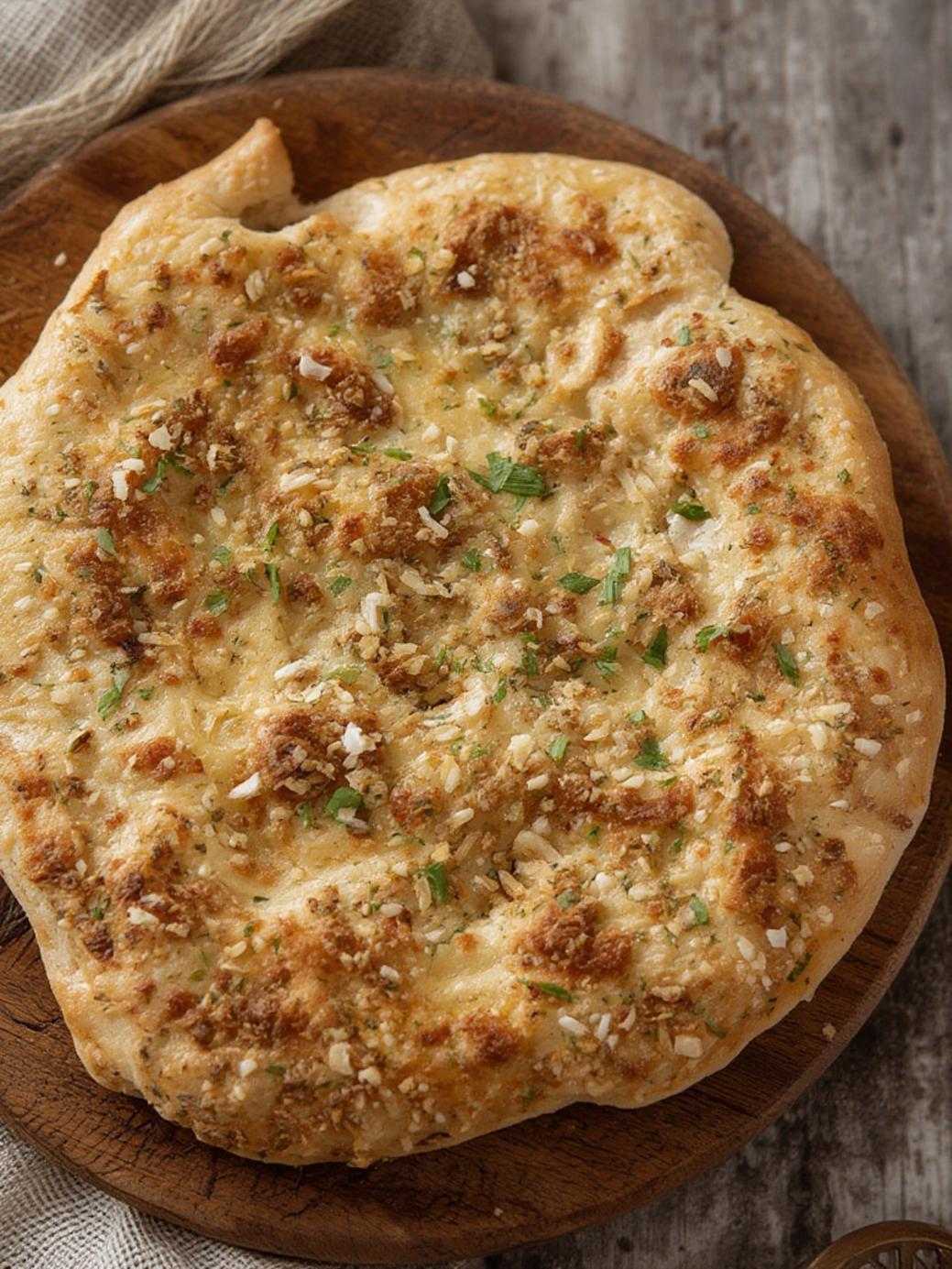
There’s something truly special about the aroma of freshly baked bread wafting through your kitchen. If you’re looking to expand your bread-making repertoire beyond the ordinary, Middle Eastern Lavash Bread is an excellent place to start. This thin, soft flatbread has been a staple in Middle Eastern cuisine for centuries, often served alongside mezze platters or used to scoop up delicious hummus and other dips. What makes this bread so appealing is its versatility and relatively simple preparation process that yields impressive results. Let’s explore how you can create this delightful bread in your own kitchen!
Ingredients & Kitchen Tools for Middle Eastern Lavash Bread
Ingredients:
– 3 cups all-purpose flour
– 1 teaspoon salt
– 1 teaspoon sugar
– 2¼ teaspoons instant yeast (1 packet)
– 1 tablespoon olive oil
– 1 cup warm water (approximately 110°F)
– 1 tablespoon sesame seeds (optional, for topping)
– 1 tablespoon nigella seeds (optional, for topping)
Kitchen Tools:
– Large mixing bowl
– Measuring cups and spoons
– Wooden spoon or stand mixer with dough hook
– Clean kitchen towel
– Rolling pin
– Baking sheet or pizza stone
– Pastry brush (for applying water or oil)
– Pizza peel (optional, but helpful)
Possible Substitutions:
– Whole wheat flour can replace up to half of the all-purpose flour for a heartier version
– Active dry yeast can be used instead of instant (just proof it first in the warm water)
– Honey can substitute for sugar to feed the yeast
Prep & Cooking Time for a Perfect Middle Eastern Lavash Bread Dish
– Preparation Time: 20 minutes (plus 1-2 hours for dough rising)
– Cooking Time: 2-3 minutes per bread (about 20 minutes total for a batch)
– Total Time: Approximately 2-3 hours (most of it hands-off resting time)
Step-by-Step Instructions to Make Middle Eastern Lavash Bread Easily
1. Prepare the dough: In a large bowl, whisk together the flour, salt, sugar, and yeast. Make a well in the center and add the olive oil and warm water. Stir with a wooden spoon until a shaggy dough forms.
2. Knead the dough: Turn the dough out onto a floured surface and knead for 8-10 minutes until smooth and elastic. If using a stand mixer, knead with the dough hook for 5-6 minutes.
3. First rise: Place the dough in an oiled bowl, cover with a damp kitchen towel, and let rise in a warm place for 1-1.5 hours, or until doubled in size.
4. Divide the dough: Gently punch down the dough and divide it into 8 equal pieces. Roll each piece into a ball and let rest, covered, for 15 minutes.
5. Shape the lavash: On a lightly floured surface, roll each ball into a very thin oval or rectangle, approximately 12×8 inches. The dough should be almost translucent.
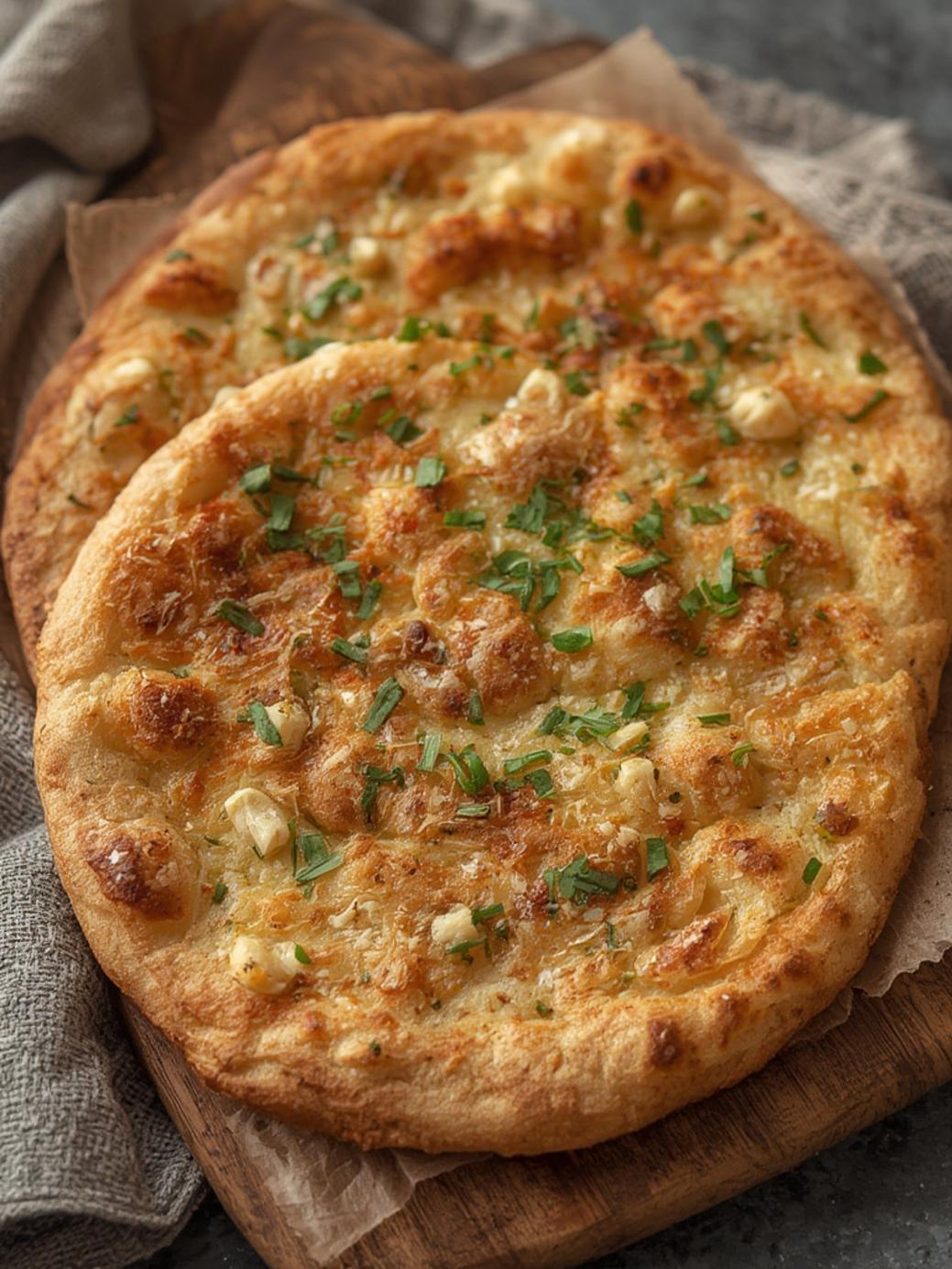
6. Bake the bread: Preheat your oven to its highest setting (usually 500°F/260°C) with a baking sheet or pizza stone inside. When hot, carefully transfer the rolled-out Middle Eastern Lavash Bread to the hot surface. If desired, lightly spray or brush with water and sprinkle with sesame or nigella seeds. This is the perfect moment to add hummus preparations to your workflow, as the bread will pair beautifully with this Middle Eastern classic.
7. Watch closely: The bread will puff up and cook very quickly, about 1-3 minutes. Remove when it’s spotted with brown patches but still soft.
8. Cool slightly: Transfer to a clean kitchen towel and cover to keep warm and soft while you bake the remaining pieces.
Nutritional Benefits of This Middle Eastern Lavash Bread Recipe
Per serving (1 piece):
– Calories: Approximately 150-170
– Carbohydrates: 30g
– Protein: 4g
– Fat: 2g
– Fiber: 1g
– Sodium: 300mg
This bread is relatively low in fat compared to many other bread varieties. When made with partial whole wheat flour, it provides additional fiber and nutrients. The optional seeds add healthy fats and additional minerals.
Variations, Substitutions & Cooking Tips for Middle Eastern Lavash Bread Lovers
– Herb-infused variation: Add 1 tablespoon of dried herbs like za’atar, sumac, or dried mint to the dough
– Garlic lavash: Add 2 cloves of finely minced garlic to the dough
– Whole grain option: Replace half the all-purpose flour with whole wheat flour
– Stovetop method: Cook in a hot, dry cast-iron skillet for 1-2 minutes per side
– Grilling technique: Place directly on a preheated grill for 30 seconds to 1 minute per side
Common Mistakes to Avoid When Preparing Middle Eastern Lavash Bread
1. Dough too thick: The key to authentic lavash is rolling it extremely thin, almost paper-like
2. Overworking the dough: This can make the bread tough rather than tender
3. Skipping the resting period: The 15-minute rest after dividing the dough is essential for easy rolling
4. Oven not hot enough: The high heat creates the signature puffing and quick cooking
5. Overbaking: Watch carefully as the bread can go from perfect to burnt in seconds
Storage & Reheating Tips to Keep Your Middle Eastern Lavash Bread Fresh
– Short-term storage: Wrap cooled bread in a clean kitchen towel and store at room temperature for 1-2 days
– Longer storage: Freeze in airtight bags with parchment paper between pieces for up to 3 months
– Refreshing stale bread: Lightly sprinkle with water and heat in a 350°F oven for 2-3 minutes
– Reheating from frozen: No need to thaw; warm directly in a 350°F oven for 3-5 minutes
Conclusion: Final Thoughts on Making Middle Eastern Lavash Bread at Home
Creating Middle Eastern Lavash Bread at home connects you with centuries of baking tradition while providing a versatile canvas for countless meals. From wrapping around kebabs to dipping in hummus, this flatbread elevates any Middle Eastern feast. With some practice, you’ll master the technique of rolling the dough paper-thin and achieving that perfect speckled appearance. The satisfaction of pulling your own freshly baked lavash from the oven is incomparable, and your friends and family will be thoroughly impressed with your bread-making skills!
FAQs About Cooking Middle Eastern Lavash Bread
1. Can I make lavash bread without yeast?
Yes, traditional lavash can be made without yeast. For a yeast-free version, mix 3 cups flour, 1 teaspoon salt, 2 tablespoons olive oil, and about 1 cup of warm water. The texture will be slightly different, but still delicious.
2. Why isn’t my lavash puffing up in the oven?
This usually happens when either the oven isn’t hot enough or the dough is too thick. Ensure your oven is fully preheated to its highest setting and roll the dough extremely thin.
3. How can I keep my lavash soft after baking?
Stack the freshly baked bread and cover it with a clean kitchen towel to trap the steam, which helps keep it soft and pliable.
4. Can I make lavash bread ahead of time for a party?
Absolutely! Bake it the day before, cool completely, and store at room temperature wrapped in a towel. Refresh briefly in a warm oven before serving.
5. What’s the difference between lavash and other flatbreads like pita?
Lavash is typically thinner and larger than pita bread and doesn’t have a pocket. It’s more similar to a very thin naan or tortilla in texture and usage.
Have You Tried Our Recipe?
There are no reviews yet. Be the first one to write one.