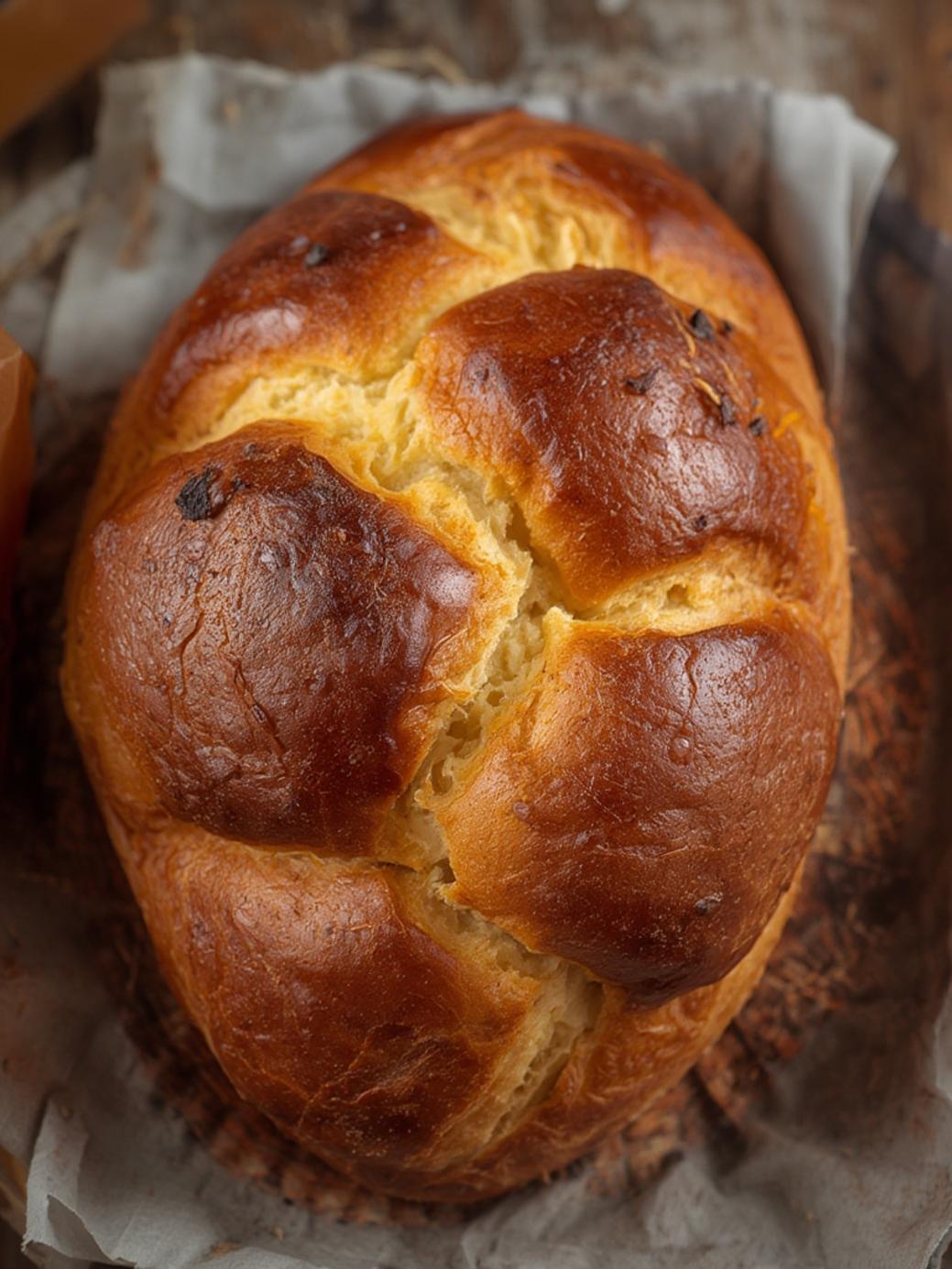
There’s something magical about the way a freshly baked Brioche Bread fills your home with its warm, buttery aroma. This enriched French bread, with its tender crumb and golden crust, elevates everything from morning toast to gourmet sandwiches. Whether you’re a baking novice or seasoned bread maker, this classic recipe will guide you through creating this luxurious bread right in your own kitchen. The perfect brioche strikes a delicate balance between rich flavor and light texture that’s worth mastering.
Ingredients & Kitchen Tools for Brioche Bread
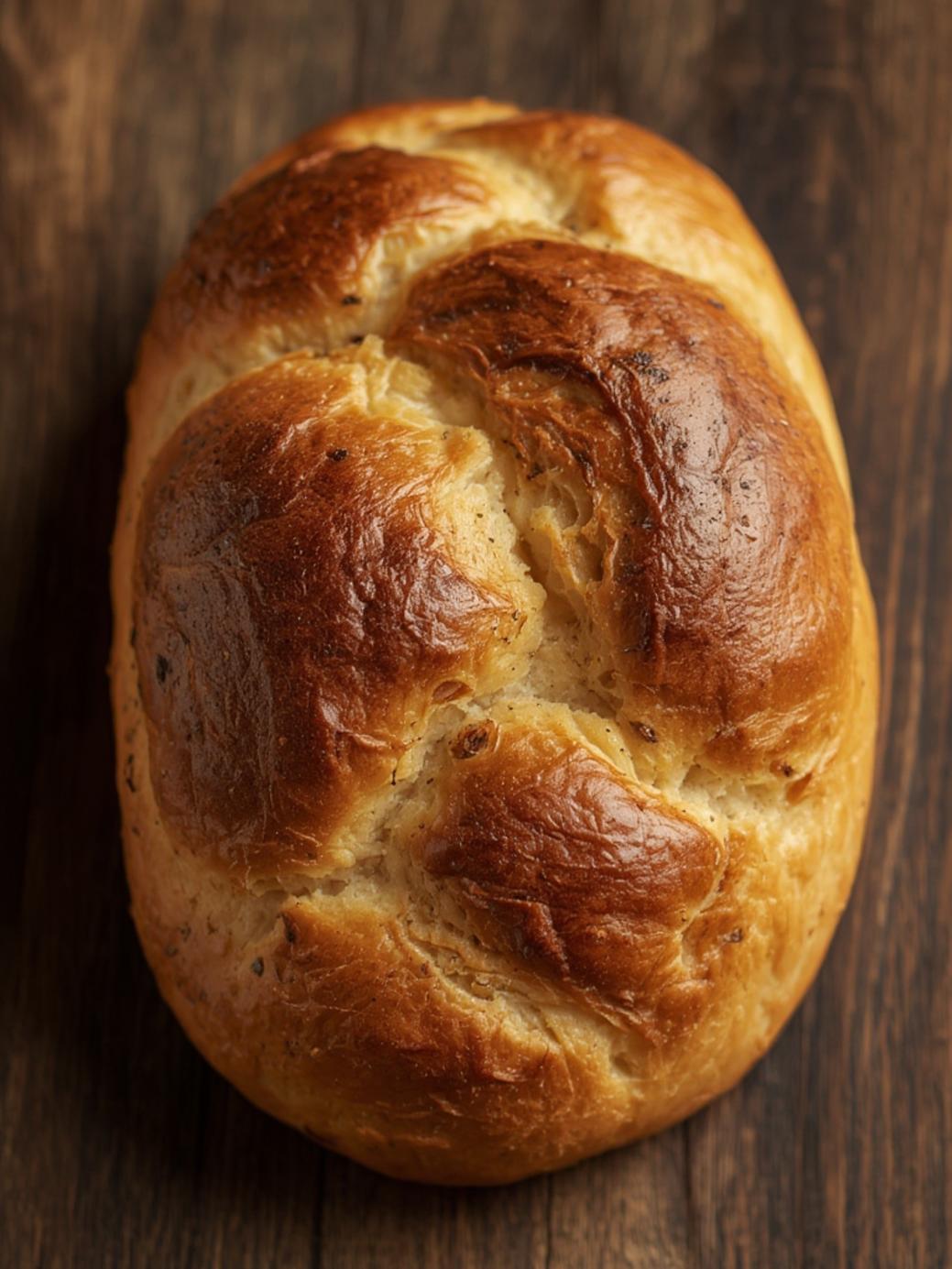
Ingredients:
– 4 cups (500g) all-purpose flour
– 1/3 cup (67g) granulated sugar
– 1 tablespoon (9g) instant yeast
– 1 1/2 teaspoons salt
– 4 large eggs, room temperature
– 1/2 cup (120ml) warm milk
– 3/4 cup (170g) unsalted butter, softened and cubed
– 1 egg beaten with 1 tablespoon water (for egg wash)
Optional Add-ins:
– 1 teaspoon vanilla extract
– Zest of one orange or lemon
– 1/4 teaspoon ground cardamom
Kitchen Tools:
– Stand mixer with dough hook attachment
– Mixing bowls
– Measuring cups and spoons
– Loaf pan (9×5 inch)
– Pastry brush
– Kitchen thermometer
– Cooling rack
Prep & Cooking Time for a Perfect Brioche Bread Dish
– Prep Time: 30 minutes
– Rising Time: 2-3 hours (plus overnight refrigeration)
– Baking Time: 30-35 minutes
– Total Time: Approximately 14 hours (including overnight rest)
Step-by-Step Instructions to Make Brioche Bread Easily
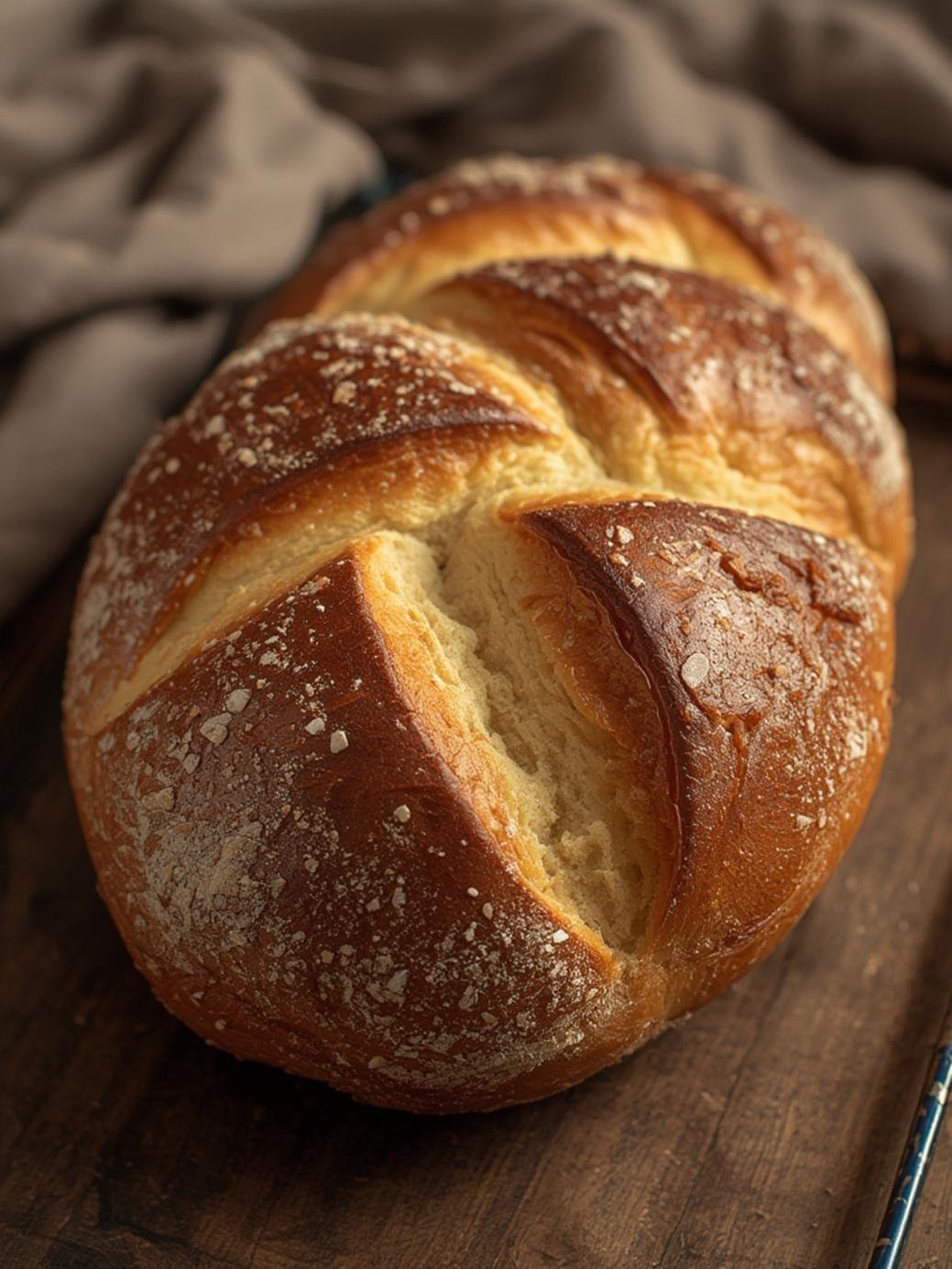
1. Prepare the dough: In a stand mixer bowl, combine flour, sugar, yeast, and salt. With the mixer on low speed, add eggs one at a time, then slowly pour in warm milk. Mix until ingredients are incorporated.
2. Add butter: With the mixer running, add softened butter one cube at a time, waiting until each piece is fully incorporated before adding the next. This process takes about 5-8 minutes.
3. Knead the dough: Increase mixer speed to medium and knead for 10-15 minutes until the dough becomes smooth, elastic, and pulls away from the sides of the bowl. The Brioche Bread dough should pass the windowpane test—when stretched, it should become thin enough to see light through without tearing.
4. First rise: Transfer dough to a lightly greased bowl, cover with plastic wrap, and let rise at room temperature for 1 hour until noticeably puffy.
5. Cold fermentation: Gently deflate the dough, re-cover, and refrigerate overnight (at least 8 hours). This classic recipe technique develops flavor and makes the butter-rich dough easier to handle.
6. Shape the loaf: Remove dough from refrigerator. For a traditional loaf, divide into 6-8 equal pieces, shape into balls, and arrange in a greased loaf pan. For a braided loaf, divide into 3 pieces, roll into ropes, and braid.
7. Final rise: Cover loosely with plastic wrap and let rise for 1-2 hours until nearly doubled in size.
8. Bake: Preheat oven to 375°F (190°C). Gently brush the loaf with egg wash. Bake for 30-35 minutes until deeply golden brown and internal temperature reaches 190°F (88°C).
9. Cool: Allow bread to cool in the pan for 10 minutes, then transfer to a wire rack to cool completely before slicing.
Nutritional Benefits of This Brioche Bread Recipe
While brioche is certainly an indulgence, it does offer some nutritional benefits. The eggs provide high-quality protein and essential vitamins like B12 and D. When enjoyed in moderation, this enriched bread can be part of a balanced diet, providing energy and satisfaction. A single slice contains approximately 180-200 calories, 9g fat, 4g protein, and 22g carbohydrates.
Variations, Substitutions & Cooking Tips for Brioche Bread Lovers
– Chocolate Brioche: Fold in 1/2 cup chocolate chips after the first rise
– Cinnamon Sugar: Sprinkle the shaped dough with cinnamon sugar before baking
– Savory Brioche: Reduce sugar to 2 tablespoons and add herbs like rosemary or thyme
– Dairy-Free: Substitute plant-based butter and milk (though texture will differ slightly)
– Individual Rolls: Divide dough into 12 pieces and bake in a muffin tin for 15-18 minutes
Common Mistakes to Avoid When Preparing Brioche Bread
1. Rushing the butter incorporation: Add butter gradually and patiently for proper dough development
2. Skipping refrigeration: The cold rest is crucial for flavor and handling
3. Overbaking: Check early as brioche browns quickly due to high sugar content
4. Using cold ingredients: Ensure eggs and milk are at room temperature for proper mixing
5. Cutting immediately: Let the bread cool completely before slicing to prevent gumminess
Storage & Reheating Tips to Keep Your Brioche Bread Fresh
Store completely cooled brioche in an airtight container at room temperature for up to 2 days, or refrigerate for up to 1 week. For longer storage, freeze sliced brioche for up to 3 months in freezer-safe bags. Reheat individual slices in a toaster, or warm whole loaves in a 300°F (150°C) oven for 10 minutes. Light toasting enhances the buttery flavor and restores texture.
Conclusion: Final Thoughts on Making Brioche Bread at Home
Creating Brioche Bread at home may require patience, but the reward is incomparable to store-bought versions. This classic recipe produces a versatile bread that can transition from breakfast to dessert with ease. Once you master the basic technique, you’ll find endless opportunities to personalize this French staple. The buttery richness and tender crumb make it worth every minute of preparation.
FAQs About Cooking Brioche Bread
Can I make brioche without a stand mixer?
Yes, though it requires significant hand kneading (15-20 minutes) to properly incorporate the butter and develop gluten.
Why did my brioche turn out dense?
Dense brioche usually results from insufficient rising time, under-kneading, or using cold ingredients that prevent proper yeast activation.
Can I make the dough ahead of time?
Absolutely! The dough can remain refrigerated for up to 2 days before shaping and baking.
Is brioche suitable for French toast?
Brioche makes exceptional French toast due to its rich egg and butter content, which creates a custardy interior when soaked in the egg mixture.
How can I tell when brioche is perfectly baked?
Properly baked brioche has a deep golden-brown crust and sounds hollow when tapped on the bottom. For best results, use a thermometer to check for an internal temperature of 190°F (88°C).
Have You Tried Our Recipe?
There are no reviews yet. Be the first one to write one.